
Lightweight Rifle Plates (8×10, 10×12, 11×14 / SAPI, Shooters) what it all means!
If you want rifle protection without feeling like a refrigerator, you’re in the right place. This page breaks down what to buy, what to skip, how to size it, and then sends you straight into the right product grid.
✅ Why “lightweight rifle plates” is a different category (and why it matters)
A lot of “lightweight” pages turn into a junk drawer: shields, side plates, pistol-rated stuff, and random sizes mixed together. That’s a problem because the search intent for lightweight rifle plates is very specific: most people mean 10×12 or SAPI rifle plates they can actually wear in a carrier for hours.
🛡️ Step 1: Pick your protection level (Level III, III+ vs Level IV)
Here’s the truth: choosing rifle plates is always a tradeoff between weight, thickness, protection level, and cost.
Level III or III+ (rifle-rated)
Typically protects against common rifle threats defined by the NIJ test standard, and can be lighter than Level IV. National Institute of Justice+1
Level IV (highest common rifle plate rating)
Built for more severe threats; however, it often costs more and can add weight depending on materials. National Institute of Justice+1
What most people miss:
If you’re buying “lightweight,” you’re usually paying for materials and engineering that cut ounces while still keeping performance. That’s normal — and it’s exactly why you want the page you’re building here: buyers need help making a smart compromise instead of guessing.
Quick rule: If your goal is “I’ll actually wear this,” prioritize comfort and realistic use. If your goal is “maximum rating,” accept the weight/price tradeoff.
⚖️ Step 2: What “lightweight” really means (without marketing fluff)
“Lightweight” should mean:
- You can wear it for hours
- It doesn’t wreck your shoulders
- It doesn’t force you into a bulky carrier setup
- You’ll still train and move normally
What “lightweight” should not mean:
- Buying level IIIA (HG2) and thinking it also works for rifle threats
- Mistaking level III (RF1) for III+ (RF2)
- Find our guide to armor levels HERE.
📏 Step 3: Size it right (8×10, 10×12. 11×14 – smimmer (High mobility) vs SAPI)
Most buyers shopping “lightweight rifle plates” want both of these:
- 10×12 (most common “standard” size)
- 8×10 (for small women or children)
- 11×14 (for the big fellas)
- SAPI sizes (most popular depending on your torso)
- Swimmer or High Mobility (best weight but less coverage)
Fit matters more than most people think: the “right” plate covers your vital area correctly while still letting you sit, bend, and shoulder a rifle. NIJ guidance also emphasizes selecting armor appropriately and using it correctly. Office of Justice Programs+1
Simple fit check:
You’re aiming for coverage of your upper torso vitals, not your entire stomach. If the plate is too big, you’ll hate wearing it — and then it won’t get worn.
🧩 Step 4: Match the plate to the carrier (don’t guess)
Lightweight plates shine when the rest of the setup isn’t fighting them.
Make sure:
- Your carrier actually fits the plate size (8×10 = S, 10×12 =M, 11×14 =L)
- You’re not stacking extra bulk that defeats the whole point of “lightweight”
- You keep your setup simple enough to use in real life
Recommended carriers
Spartan Armor Systems – Leonidas Legend Plate Carrier – USA-Made Tactical Carrier
Price range: $529.99 through $559.99Spartan Armor Systems – Achilles Laser Cut Plate Carrier – Lightweight, Low-Drag Tactical Rig
Original price was: $249.99.$234.99Current price is: $234.99.Spartan Armor Systems – Sentinel Plate Carrier – High-Mobility Rig
Original price was: $157.99.$145.99Current price is: $145.99.Muircat MOLLE Plate Carrier – Tactical Scorpion Gear
Original price was: $58.95.$51.99Current price is: $51.99.
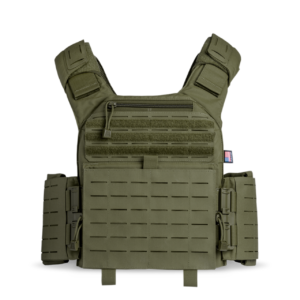

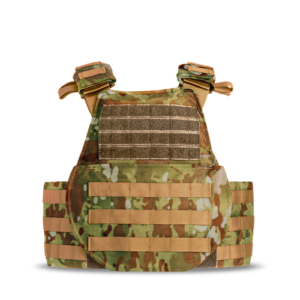
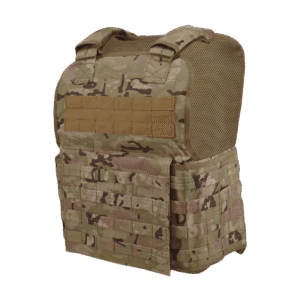
🔥 Common buyer mistakes (and how to avoid them)
Mistake #1: Shopping by hype words
“Lightweight,” “special threat,” and “III+” can mean different things depending on the manufacturer. Always anchor your choice to clear rating language and realistic use.
Mistake #2: Buying the wrong size because it’s on sale
A deal on the wrong size is not a deal.
Mistake #3: Mixing categories
If you think “lightweight” means “not tough,” think again. In body armor, lighter often means more advanced, not less protective. A lot of Level IV ceramic/composite plates weigh less than Level III AR500 steel plates—because they’re built to stop serious threats without dragging you down. Bottom line: don’t judge protection by weight—judge it by the threat rating and the plate’s design.
🛒 Shop lightweight rifle plates
When you’re ready, go straight to the products:
💬 Lightweight Rifle Plates – Product Q&A
Q1: Are “lightweight rifle plates” actually rifle-rated?
Lightweight can still be rifle-rated — the key is the actual rating/testing language and using plates designed for rifle threats, not pistol protection.
Q2: Should I buy Level III or Level IV if I want lightweight?
When comfort and all-day wear drives the decision, many buyers start with rifle-rated options that balance weight and performance. If maximum rating is the priority, accept that weight and cost can rise.
Q3: What size do most people buy?
Most people start with 10×12. If you’re taller, shorter, or broader/narrower, SAPI sizing may fit better.
Q4: Can plates expire?
Materials and construction vary. Follow manufacturer guidance, store them correctly, and replace anything that’s damaged or compromised.
Q5: Can body armor stop everything?
No. Armor reduces risk, but it doesn’t make you invincible. Proper fit, correct rating, and realistic expectations matter. NIJ guidance covers selection and use considerations. Office of Justice Programs+1
🧠 Lightweight Rifle Plates – Expert Verification & Testing
- We build our selection around clear plate intent (rifle plates first: 10×12/SAPI).
- We recommend buyers understand NIJ standards and selection guidance, then choose gear that matches real-world use. National Institute of Justice+1
- If you have questions about sizing or which plate fits your carrier, reach out to our experts before you buy — it’s cheaper than returns.
also consider these links
- Shop All Armor: Shop all Armor Products Archives – FKTG Tactical
- Lightweight Rifle Plates: Lightweight rifle rated armor Archives – FKTG Tactical
- Plate Carriers: tactical armor plate carriers – Archives – FKTG Tactical
- Medical / IFAKs: Tactical Trauma Medical Supplies Archives – FKTG Tactical
- Contact: Contact – FKTG Tactical (if that’s your path)
Outbound NIJ links
- NIJ Standard 0101.06 overview (ballistic resistance): National Institute of Justice
- NIJ Body Armor Guide (selection + use): Office of Justice Programs
- NIJ Standard 0101.07 page (newer standard info): National Institute of Justice