
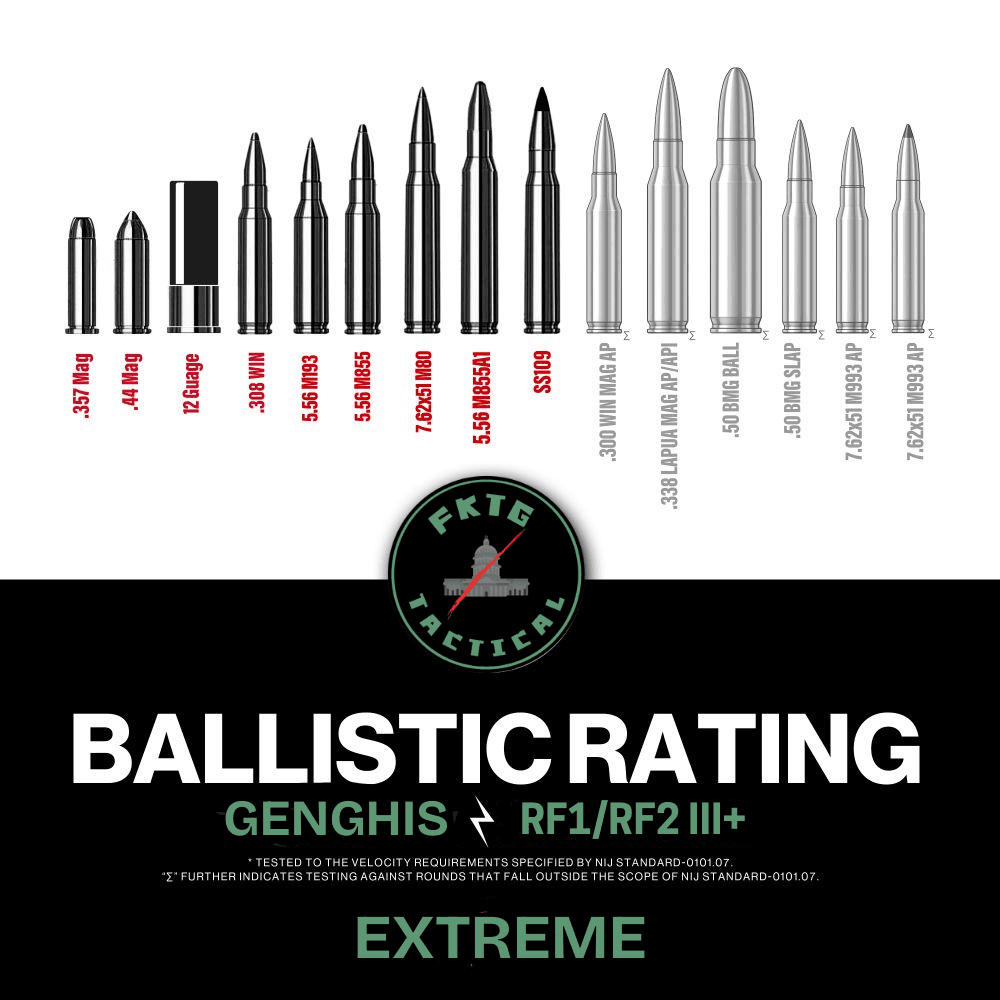
Body armor specs can feel like alphabet soup. IIIA/III/III+ vs IV armor — what actually stops what, and which do you need? Here’s the no-BS breakdown so you can choose protection that matches your reality—not just a spec sheet.
IIIA/III/III+ vs IV armor Levels – Quick definitions (NIJ overview)
- Level IIIA (soft armor): Designed for common handgun threats (.357 SIG, .44 Magnum). Flexible. Great for concealment and low-profile wear.
- Level III (rifle plates): Stops 6 shots of 7.62×51/.308 M80 ball (per NIJ 0101.06). Many PE or hybrid plates also stop 5.56 in common loads.
- Level IV (rifle plates): Tested to stop one hit of .30-06 M2 AP. Highest traditional rating; typically heavier/denser than III.
Note: Real plates can exceed minimums (multi-hit, additional rounds). Always check the actual test report, not just the marketing.
IIIA/III/III+ vs IV armor – What each level stops (plain English)
- IIIA: Handguns up to .44 Mag; does not stop rifle.
- III: Traditional “battle rifle” .223/5.56 55 grain also 762×51 ball (.308).
- III+: Many modern Level III+ / hybrid options also stop M855/SS109 and M193—but check the data.
- IV: Designed for armor-piercing rifle threats up to (.30-06 AP). Some IV plates also pass multi-hit events or additional 5.56 threats.
Use-case guide
- Concealed protection / everyday / low-vis: Level IIIA soft armor. Light, flexible, easy to wear for long periods.
- Range training / home defense / patrol where rifle threats exist: Level III or III+ plates (look for UHMWPE or hybrid to cut weight; verify 5.56 test results).
- High-risk duty / known AP threats / armor for worst-case: Level IV plates. Heavier, but top protection against AP.
Weight & comfort matter
Protection you won’t wear is useless.
- UHMWPE & hybrid Level III plates can be ~3–5 lb each with great multi-hit performance.
- Level IV ceramic is heavier (often 5.5–6.25 lb per plate), but delivers AP protection.
- Curvature & sizing affect comfort—more below.
Fit & sizing (don’t skip this)
- Choose a plate that covers your vitals (nipple-to-nipple width; notch to a few inches above the navel vertically).
- Standard sizes: 10×12 fits most adults; SAPI sizing offers more granular fit.
- Curved plates reduce hot-spots and help you shoulder a rifle naturally.
Steel vs ceramic vs UHMWPE (30-second summary)
- Steel: Durable, cheap, often heavy; spall risk without correct coatings/attachments; can struggle with fast 5.56.
- Ceramic (often with PE backer): Stops rifle efficiently, good multi-hit designs, lighter than steel, slightly thicker.
- UHMWPE (PE): Ultralight Level III, great against .308 & many 5.56 loads; typically not Level IV/AP capable.
Decision flow (simple)
- Expect only handgun threats → Level IIIA.
- Expect rifle threats & prioritize lightweight → Level III+ UHMWPE.
- Expect AP threats or want the highest ballistic ceiling → Level IV ceramic.
FKTG Tactical picks
- Ultralight duty/range: FKTG Tactical Level III UHMWPE plate set – lightweight with proven multi-hit performance.
- War-ready protection: FKTG Tactical Level IV ceramic plate set – AP-rated, mission-ready.
- Low-vis home & concealed: FKTG soft armor kit (Level IIIA)
- NIJ Standards HERE!
Care & replacement
- Inspect plates annually and after any hard drop or incident.
- Store flat, cool, and dry.
- Replace after an impact or if the manufacturer’s service life is reached.
Bottom line
Choose the lightest armor that covers the most likely threat you’ll face—and that you’ll actually wear. For most citizens and patrol work, a quality Level III plate hits the weight/protection sweet spot. If AP is on the table, go Level IV and train with it.
SAVE NOW
Gear up now—new subscribers get 20% off FKTG and COS Defense Tactical–branded armor with code TACTICAL20.
- Shop FKTG Armor 20% Coupon(auto-apply):
https://fktgtac.com/brand/fktg-tactical-armor-gear/?coupon=TACTICAL20